Skip to content
About Us
Who We Are
Navy League News
Contact Us
Press Releases
Events
Sea-Air-Space
STEM Expo
Fly-In
Navy Ball
National Convention
Fall Board Meeting
Special Topic Breakfasts
Advocacy
Legislative Affairs
Fly-In
Center for Maritime Strategy
Membership
Become a Member
Council Locator
Ship Store
Login
Impact
Navy League Foundation
STEM Institute
Awards
Youth Programs
Ship Commissionings and Unit Adoptions
Giving
Publications
Seapower
Navy League News
Seapower Media Kit
Maritime Operations Center (The MOC)
Maritime Nation Podcast
Voices of the Sea
Search
Donate
Login
Toggle Menu
January 21, 2021
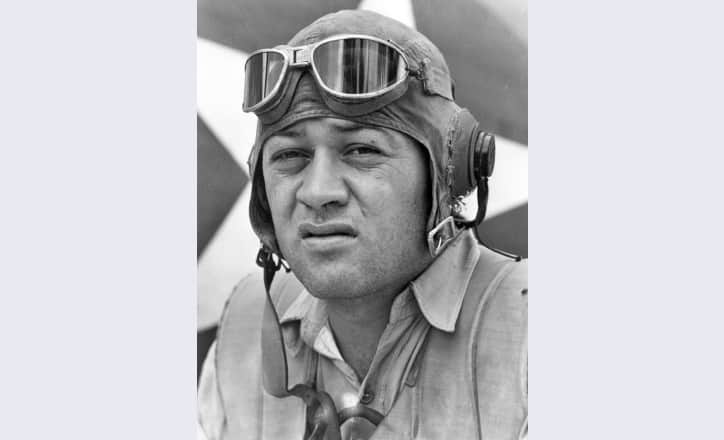
Highlighting Our Heroes: Pappy Boyington
Highlighting Our Heroes
«
Previous
Next
»
Login
About Us
Toggle child menu
Expand
Who We Are
Contact Us
Navy League News
Press Releases
Events
Toggle child menu
Expand
Sea Air Space
STEM Expo
Fly-In
National Convention
Navy Ball
Special Topic Breakfasts
Fall Board Meeting
Advocacy
Toggle child menu
Expand
Legislative Affairs
Fly-In
Center for Maritime Strategy
Membership
Toggle child menu
Expand
Become a Member
Council Locator
Ship Store
Login
Impact
Toggle child menu
Expand
Navy League Foundation
STEM Institute
Awards
Youth Programs
Ship Commissionings and Unit Adoptions
Giving
Publications
Toggle child menu
Expand
Seapower
Navy League News
Maritime Nation
Voices of the Sea
Seapower Media Kit
Toggle Menu Close
Search for:
Search